Author: Frankie Jett
-

Hippie Movement Evolution
Origins and Influences The 1960s hippie movement drew its spirit from the Beat Generation, with bohemian haunts of San Francisco and New York buzzing with rebels like Kerouac and Ginsberg. These counterculture pioneers embraced Eastern philosophies and the jazz rhythm of life. Their beatnik offspring, the hippies, colored the decade with rebellion, swapping jazz for…
-
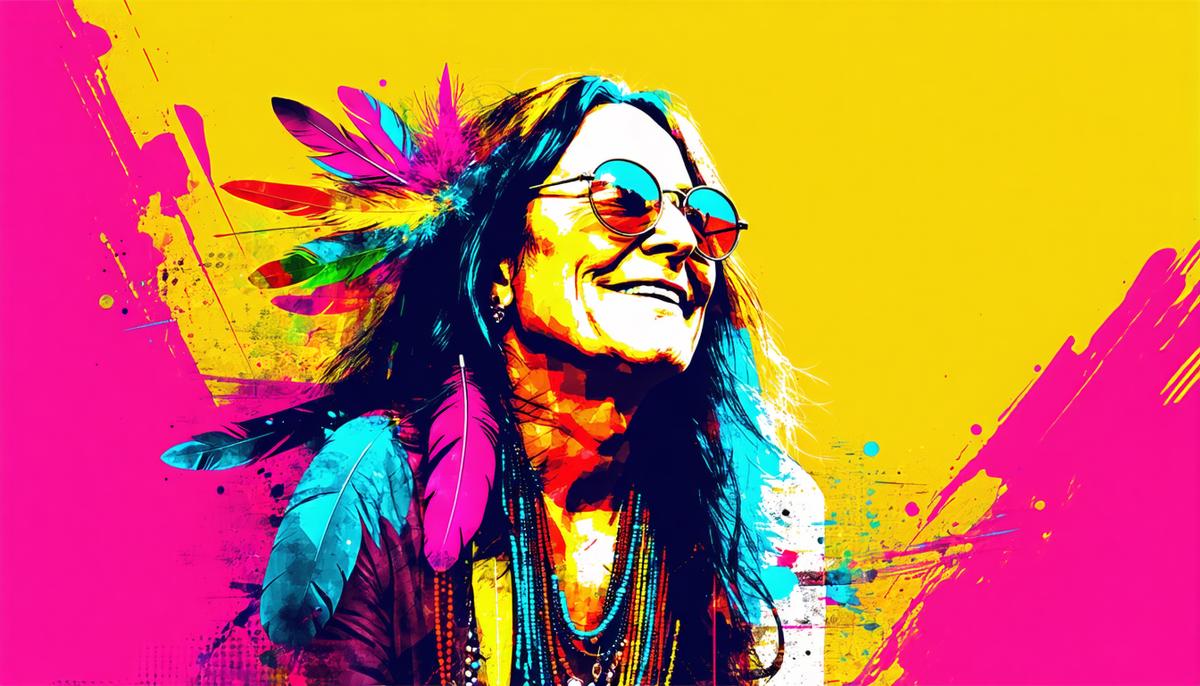
Janis Joplin and 60s Counterculture
Janis Joplin's Rise in the Counterculture Janis Joplin burst onto the scene like a firework, painting the town all sorts of bright and surprising colors—much like her own wardrobe. Born in Port Arthur, Texas, Janis wasn't one for fitting in neat little boxes. A childhood filled with art, music, and the struggle of being different…
-
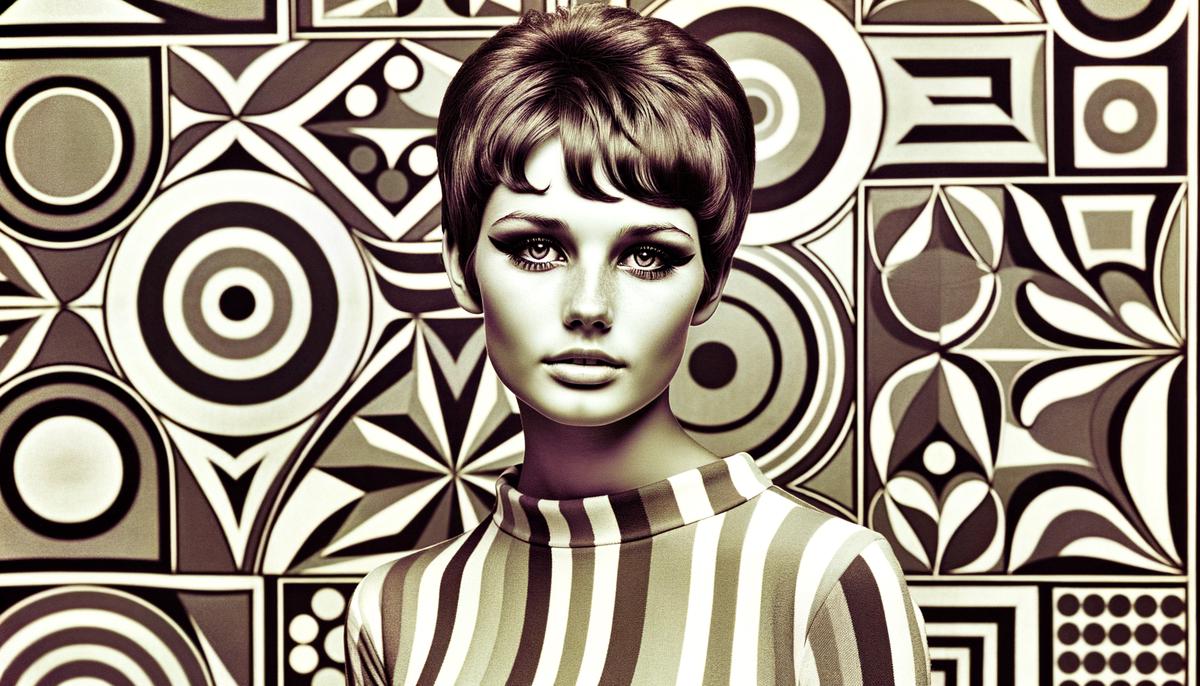
Twiggy: 60s Fashion Icon
Twiggy's Unique Look Twiggy hit the fashion scene in 1966 like a breath of fresh air. Her waif-like figure and big, expressive eyes were a stark contrast to the glitzy Marilyn Monroe types. With her boyish frame and pixie haircut, Twiggy looked like she'd stepped out of a futuristic planet, setting trends with every snip…
-
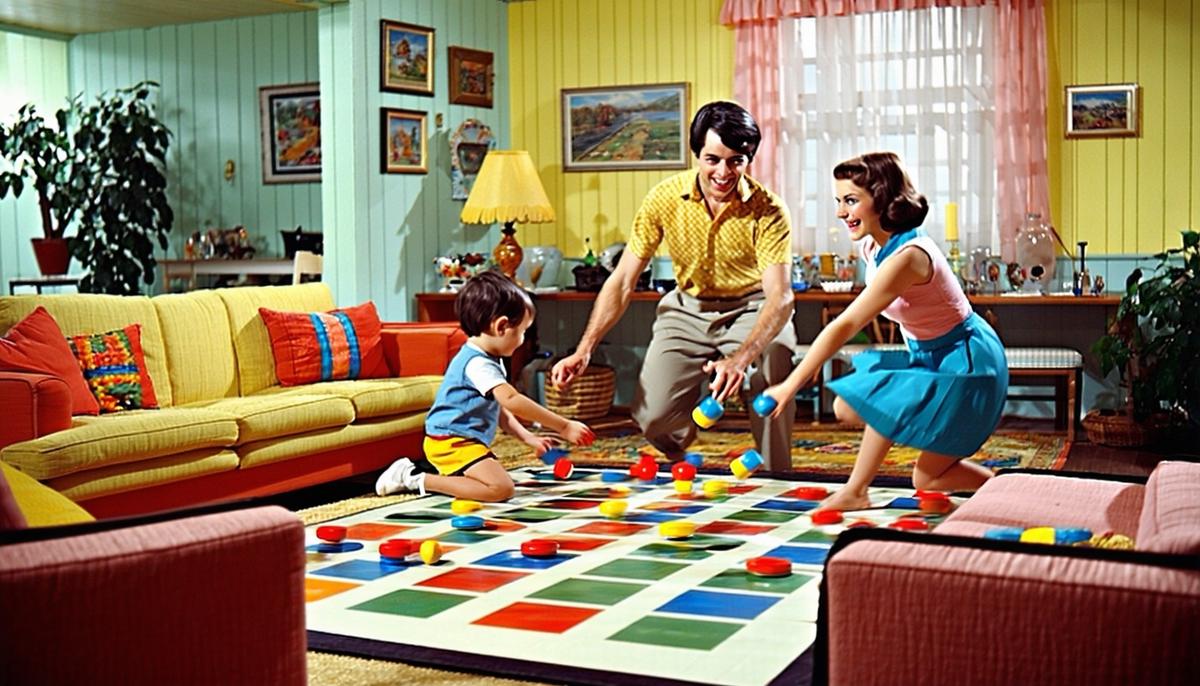
60s Twister Game Nights
Origins of Twister and Its 60s Popularity Twister burst onto the scene in the 1960s, spinning a new twist on family fun. Conceived in 1964 by Charles Foley and Neil Rabens, it was initially marketed as "Pretzel" but soon twisted its way into America's heart under its new name. The game challenged players to place…
-
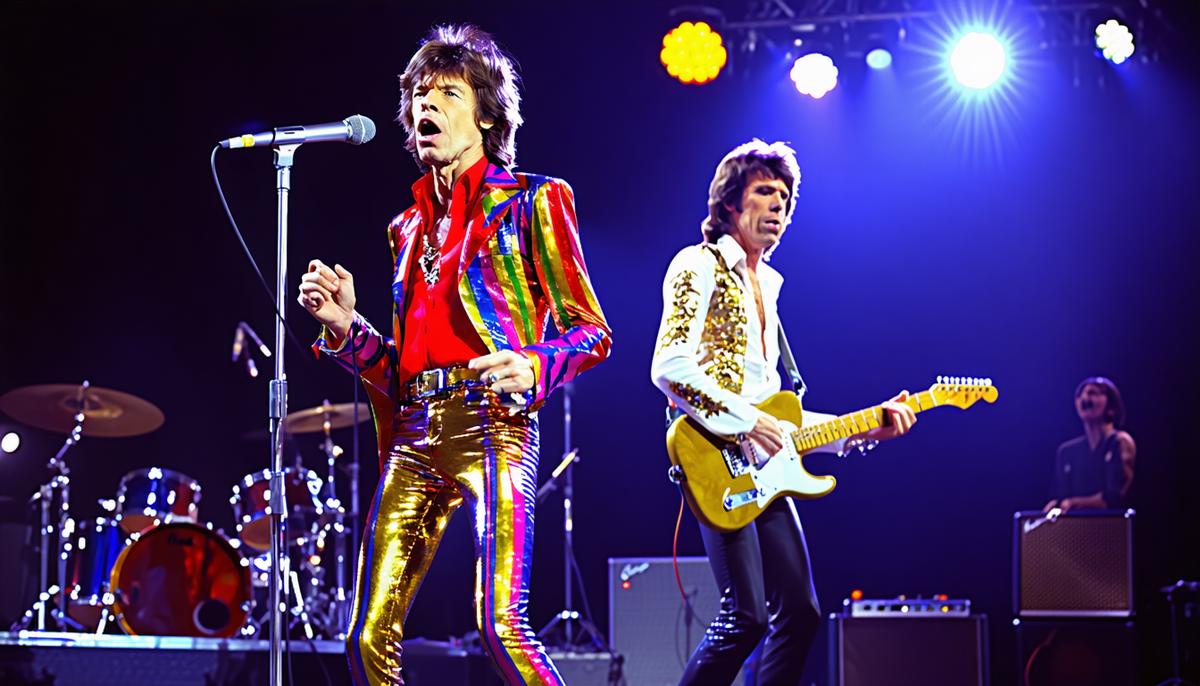
Rolling Stones: 60s Rock Rebels
Origins and Blues Influence The Rolling Stones emerged in 1960s London, bringing fresh riffs and rebellious rhythms inspired by American blues. Mick Jagger, Keith Richards, Brian Jones, Charlie Watts, and Bill Wyman took cues from artists like Muddy Waters and Howlin' Wolf, channeling raw emotion and gritty soul. The Stones charged head-first into deep blues,…
-
1960s Rotary Phones
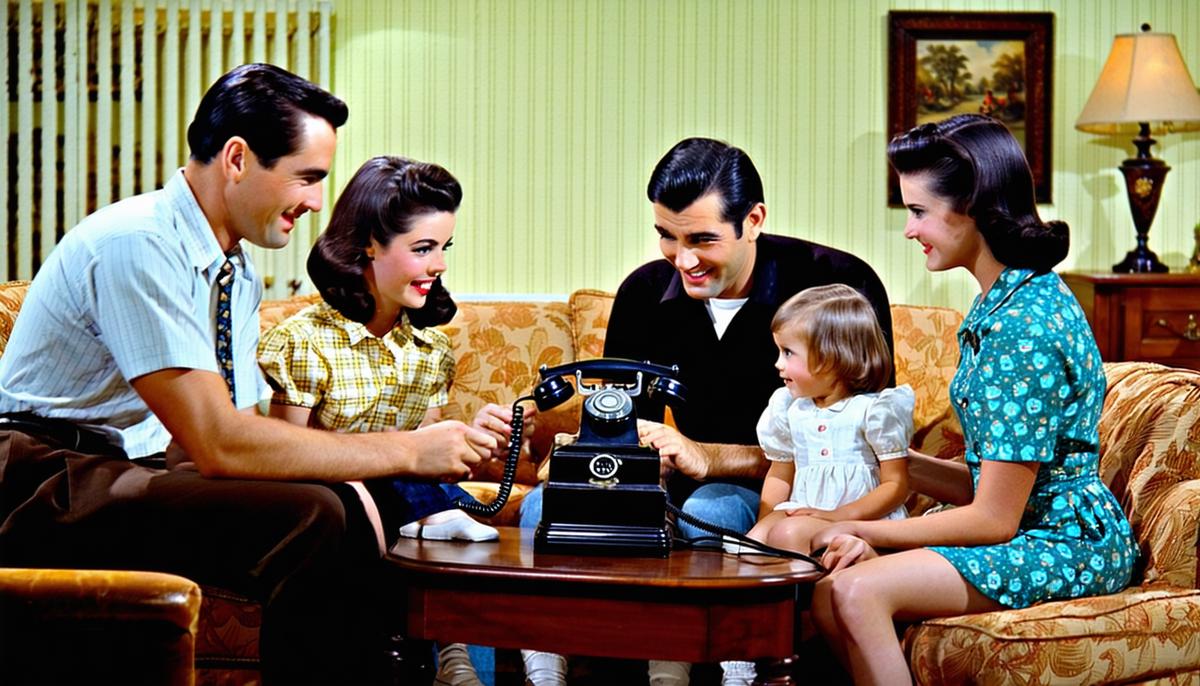
Transition to Rotary Phones Baldwin City in the 1960s saw a shift from switchboard operators to rotary phones. Before 1960, calls were connected by hand. On November 15th, 1960, the mayor made the first dialed call, ushering in a new era. The change brought excitement and confusion. Newspapers explained dialing, and people learned to use…
-
Catch-22 and 1960s Cynicism
Historical Context of Catch-22 The 1960s were a time of change, with protests and songs of freedom filling the air. Joseph Heller's "Catch-22" captured the disillusionment of the era. The Vietnam War created a backdrop of doubt and skepticism, sparking anti-war sentiment among the youth. Civil rights movements challenged old norms, with people fighting for…
-
The Day the Music Died
The Winter Dance Party Tour The Winter Dance Party Tour of 1959 was a rock 'n' roll extravaganza turned tragedy. Buddy Holly, Ritchie Valens, and The Big Bopper headlined a grueling 24-day tour across the Midwest, battling: The harsh conditions led to Holly chartering a plane for a quick hop to the next gig. In…
-
Feminine Mystique’s 60s Impact
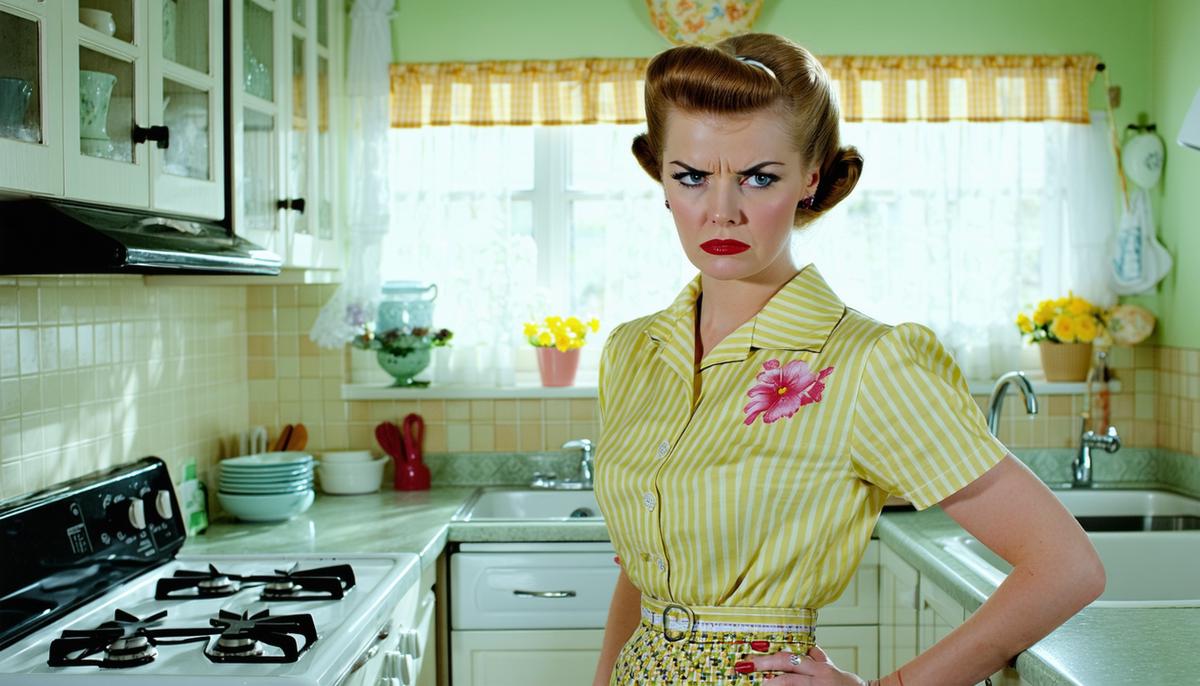
Origins and Context America post-World War II was a peculiar place for women. Picture this: gleaming suburbs, neat hedges, and the smell of apple pie wafting through the air. But at the heart of these homes, many women felt a nagging void, a "problem with no name," as Betty Friedan aptly called it. Society expected…
-
James Bond: 60s Spy Icon
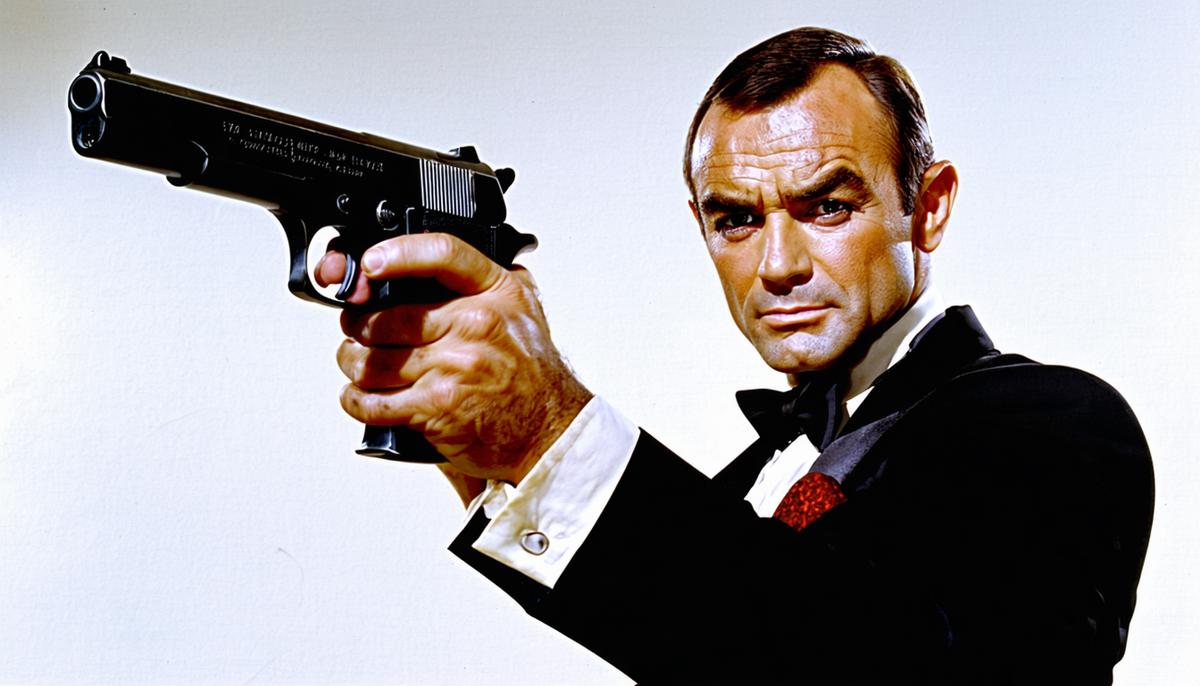
The Birth of Bond James Bond burst onto the scene in 1962 with "Dr. No," where Sean Connery first embodied the iconic spy. Connery's portrayal was a game-changer, blending charisma with action in a way that captivated audiences. His Bond wasn't just about gadgets; it was about the man himself. The '60s Bond films were…