
Generational Conflict
The Graduate painted a vivid picture of the chasm between young adults and their parents' world in the 1960s. Dustin Hoffman's Benjamin Braddock wasn't just confused—he was the voice of a generation struggling to find its place. The film captured the whirlwind of change, from the Vietnam War to the blossoming counterculture movement.
Benjamin, fresh from college, finds himself stuck in a world of shiny swimming pools and futures, complete with an Alfa Romeo in the driveway. But beneath the polished surface lies a world of "plastic," a word that haunts him. His parents' generation built paths of prosperity with soulless predictability, paths he'd rather avoid.
While his parents sipped cocktails, Benjamin felt submerged under expectations. Family parties with forced smiles felt more like prison visits than celebrations. The generational rift wasn't just about freedom; it was about finding authenticity in a phony world.
It was a time of protests and distrust of older, suit-clad folks dismissing young concerns. Yet Benjamin wasn't a typical rebel. His defiance simmered quietly as he stared at the pool filter. It was a personal revolution against an uninviting future.
The discontent spilled into his affair with Mrs. Robinson and his pursuit of her daughter, Elaine. Benjamin's struggle between the two mirrored his torn feelings between old and new worlds.
The Vietnam War loomed large, even if not directly mentioned. Every awkward exchange hinted at the greater indecision of the time: to fight tradition or drift into the unknown.
Mike Nichols captured both the comedy and absurdity in expected conformity. The Graduate held up a mirror to society's messiness, showing young folks pushing back against the tight constraints of their elders.
With Simon and Garfunkel's iconic soundtrack, the film vibrated with the spirit of the Sixties—a generation's challenge echoing far beyond the screen.

Character Analysis: Benjamin Braddock
Benjamin Braddock is the poster boy for 1960s youthful confusion. Fresh out of college with the world at his feet, he's got no clue which direction to take. Talk about a real-life Catch-22!
Raised in privilege, Benjamin's got a shiny new Alfa Romeo but zero sense of purpose. He's drowning in options laid out by his folks, not scarcity. There's a dazzling emptiness to his life—sparkly pools and prospects that feel fake. It's both funny and sad to watch him drift through life to Simon and Garfunkel's melancholy tunes.
At parties, he's bombarded with the dreaded question: "What do you want to do with your life?" He's clueless because he's still figuring out what "different" looks like. His rebellion isn't flashy—no protests or picket signs—but there's chaos brewing under his calm exterior.
Enter Mrs. Robinson, offering an intoxicating distraction from his identity crisis. But their fling only ties him closer to the world he's trying to escape. His pursuit of Elaine, Mrs. Robinson's daughter, feels like a grab at a purer, less complicated life.
Caught between youthful dreams and preset paths, Benjamin embodies his generation's struggle. His journey, full of funny detours and honest stumbles, isn't heroic—it's relatable. He's trying to find something real in the chaos of being young during one of history's most transformative eras.

Role of Mrs. Robinson
Mrs. Robinson isn't just the sultry older woman who seduces Benjamin. She's the dream that never took flight, the person who once had big plans but got stuck in the quicksand of convention.
Sure, she's the siren to Benjamin's shipwrecked soul, but there's more beneath the surface. She represents a whole generation that once brimmed with potential, only to be tied down by society's rules. Her choices got squeezed by obligations, leaving her a shadow of who she could've been.
In her fling with Benjamin, she's not just a predator. She's desperately trying to reclaim a bit of the spark she lost long ago. Each secret meetup shows her control, but also her surrender to a life she's trapped in but dreams beyond.
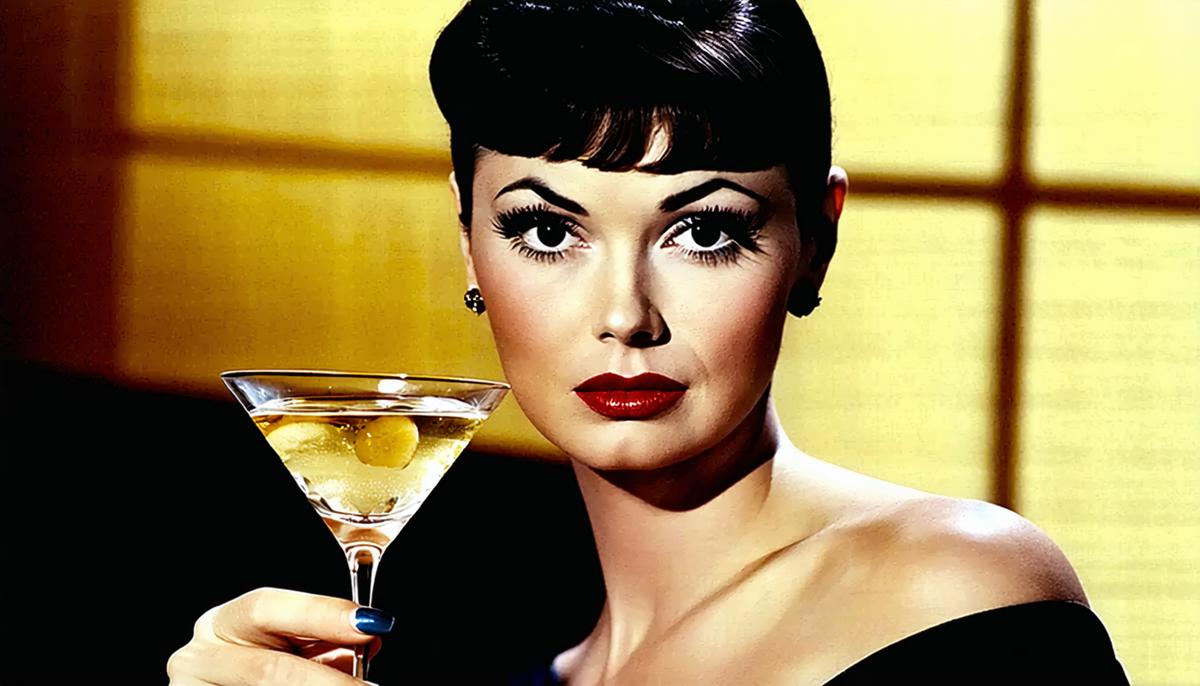
Mrs. Robinson's tough exterior hides her regrets, but Benjamin's youth reopens old wounds she thought she'd buried under martinis and fake smiles.
For Benjamin, Mrs. Robinson is a wake-up call. She's a living, breathing example of the future he fears—someone who followed the rules and ended up in a fancy cage, singing the blues of abandoned dreams.
In the big picture, Mrs. Robinson is the opposite of her daughter Elaine. If Elaine represents fresh possibilities and real love, Mrs. Robinson is the ghost of passion past, tangled up in tradition. She's both a bridge and a roadblock in Benjamin's journey to find himself, colorfully showing the generation gap at the heart of the story.
Symbolism and Cinematic Techniques
Water plays a starring role in The Graduate, mirroring Benjamin's feeling of being lost at sea. From start to finish, director Mike Nichols uses H₂O to show how out of place Benjamin feels.
Watch Benjamin float aimlessly in his parents' pool—it's his personal purgatory, calm on the surface but suffocating underneath. You can almost hear him thinking, "I'm barely keeping my head above water here!" as he drifts, capturing the loneliness of '60s youth.
Remember when Benjamin's forced into a scuba suit by his dad? It's like a weird baptism into adult expectations. Decked out in gear that looks more fit for the moon than a pool party, Benjamin's the ultimate fish out of water in his own life.
Then there's that famous one-word advice: "Plastics." Dropped at a stuffy party, it sums up the fake, cookie-cutter future laid out for Benjamin. It's a call to join the ranks of lifeless suits with their shiny shoes and empty smiles.
Tying it all together is Simon and Garfunkel's haunting soundtrack. Their music isn't just background noise—it's the soul of the film, adding a touch of sadness that matches Benjamin's mood. "The Sound of Silence" especially captures the quiet desperation of the times, daring you to feel something real amidst all the fake cheer and societal pressure.
Nichols' use of water, plastic metaphors, and Simon and Garfunkel's tunes creates a story that's more than just a movie—it's an experience. These symbols still make waves today, carrying the echoes of a generation just wanting to be heard.

Humor and Subversion
The Graduate isn't just funny—it's got a sly, rebellious humor that pokes fun at society's rules. It's not about cheap laughs; it's about making you chuckle and squirm at the same time.
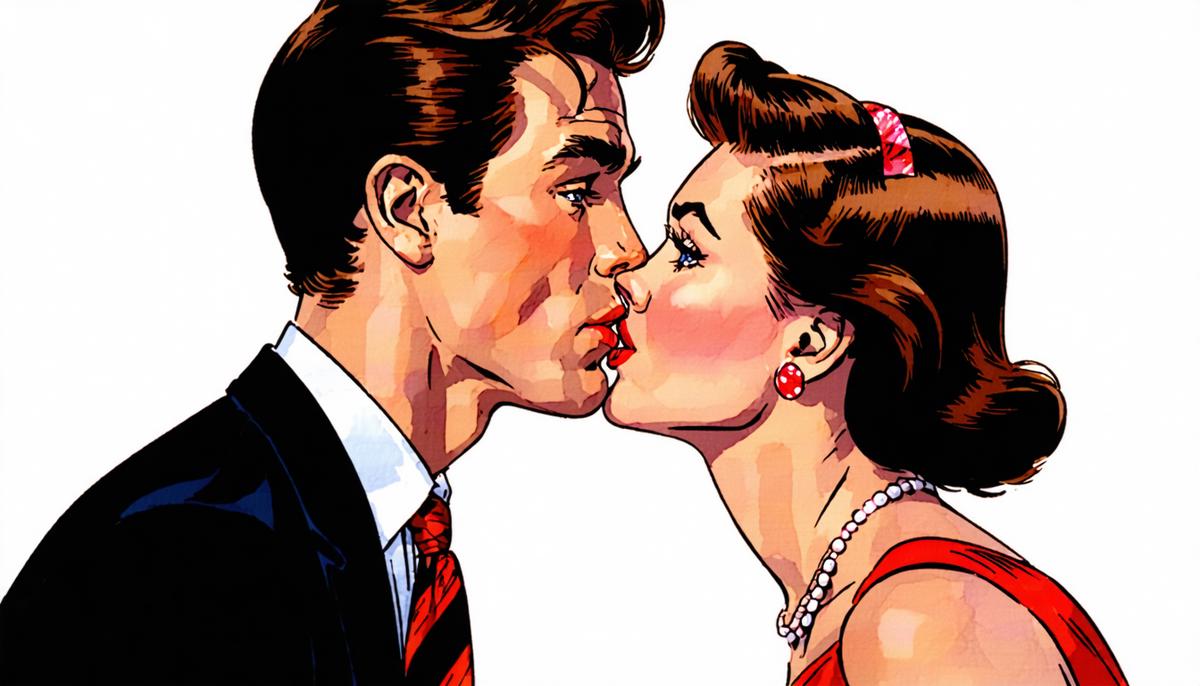
Take the scene where Benjamin wanders around in full scuba gear at a party. It's hilarious, sure, but it's also a clear jab at how out of place he feels in the adult world. Or his first awkward kiss with Mrs. Robinson—tension and comedy collide as youthful clumsiness meets seduction.
The film's humor is like a cheeky British comedy, always two steps ahead of Benjamin as he stumbles through a world he doesn't quite fit into. Each funny moment is a sneaky dig at society's expectations, from the plastic smiles at suburban parties to Benjamin's desperate nude sprint at the end.
Director Mike Nichols and his team weren't afraid to laugh at life's big questions. They showed that sometimes the best way to deal with society's nonsense is to chuckle at it. The Graduate's rebellious humor still hits home today—a sassy reminder that when life gets weird, laughter might be the best response.
The Graduate captures the vibe of the 1960s, giving voice to a generation caught between what's expected and what's real. It uses humor and tension to show the wild ride of finding yourself when the world's changing fast.
- Leftridge S, Pick S. The Graduate. PopMatters. 2009.
- Ebert R. The Graduate. Chicago Sun-Times. December 26, 1967.