In the vibrant 1960s, visionary artists painted with colors that danced and swirled, capturing the spirit of an era defined by change and creativity. Their work wasn't just about art; it was a celebration of music, culture, and the boundless possibilities that came with breaking free from convention.
1. Victor Moscoso
Victor Moscoso was a key player in the psychedelic scene of the '60s. As part of the "Big Five" poster artists, he brought vivid color to San Francisco's rock scene. Moscoso's posters for bands like The Doors and Daily Flash used eye-popping hues and twisting fonts to capture the era's energy.
With his background in painting and graphic arts, he played with visual perception, bringing Art Nouveau influences into psychedelic designs. Moscoso layered colors and used innovative printing techniques, creating pieces that were as hypnotic as the music they promoted. His work was a perfect visual echo of the radical spirit defining the 1960s.
2. Rick Griffin
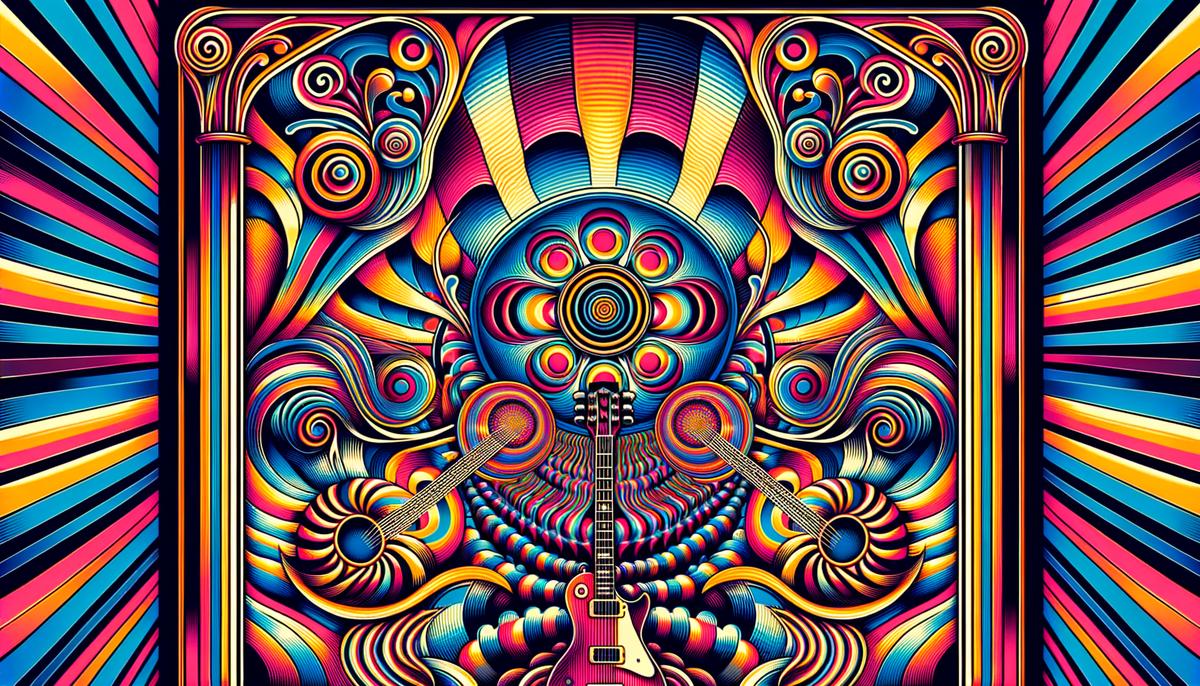
Rick Griffin was a wizard of the 1960s psychedelic movement. His designs were more than just posters; they were portals into a realm where mysticism and music merged. Known for intricate lettering and cosmic themes, Griffin crafted pieces that looked like they sprang from a rock 'n' roll dream. His collaborations with top bands turned concert promos into ethereal experiences.
Griffin's work transported viewers into a swirling universe where music wasn't just heard but seen in every detail. From serpentine text to kaleidoscopic designs, his creations were mind-bending trips down a rabbit hole of creativity. By weaving in elements of surf culture and Native American symbolism, Griffin's posters painted a picture of ideas, reflecting the zeitgeist of an era that refused to be tamed.
3. Alton Kelley
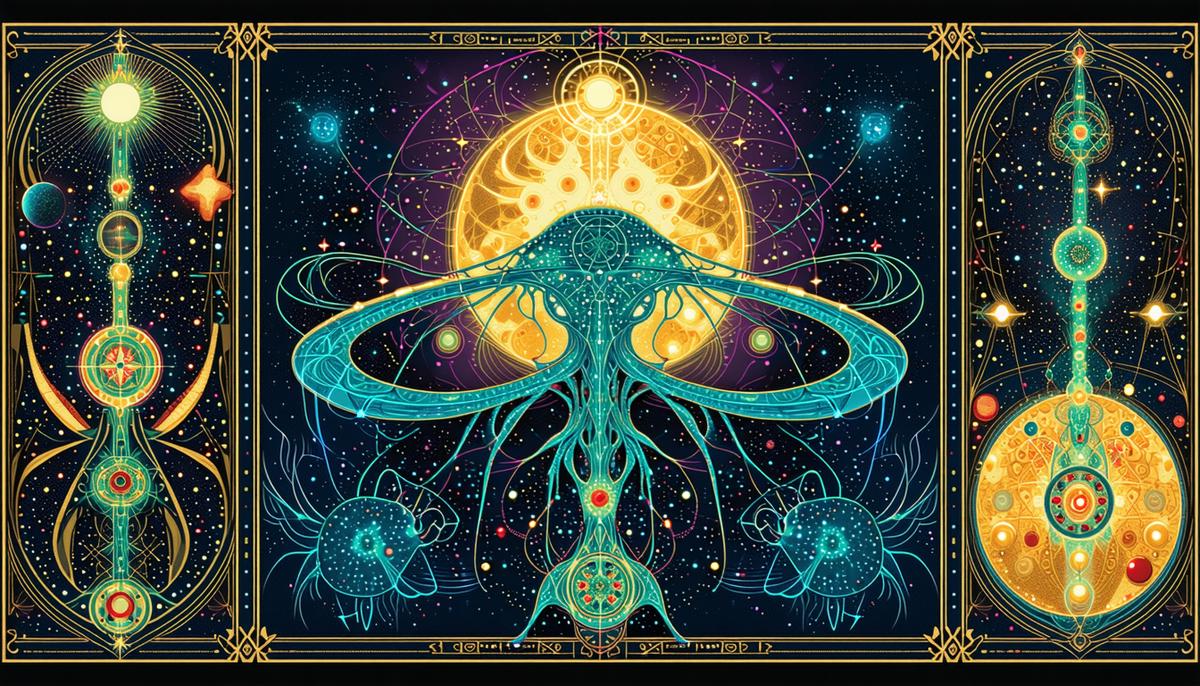
Alton Kelley was a cultural alchemist of the 1960s counterculture. His work distilled the free-spirited essence of the Haight-Ashbury scene. Kelley had a knack for blending diverse cultural elements into a cohesive, groovy visual language, borrowing from old-timey circus posters and Eastern philosophies alike.
His collaborations with fellow artists yielded iconic images that danced with unique energy. Kelley's iconic Grateful Dead "Bertha" poster became emblematic of the band's boundary-pushing sound. Through Kelley's eyes, the world was a technicolor spectacle, a place where the mundane transformed into the miraculous, echoing the playful spirit of the 1960s.
4. Stanley Mouse
Stanley Mouse brought an unmistakable blend of humor and surrealism to the psychedelic art scene. His work was crucial to the vibrant spectrum of 1960s rock culture. Mouse's art featured swirling montages of characters and scenes that defied logic, inviting viewers into a world where imagination reigned supreme.
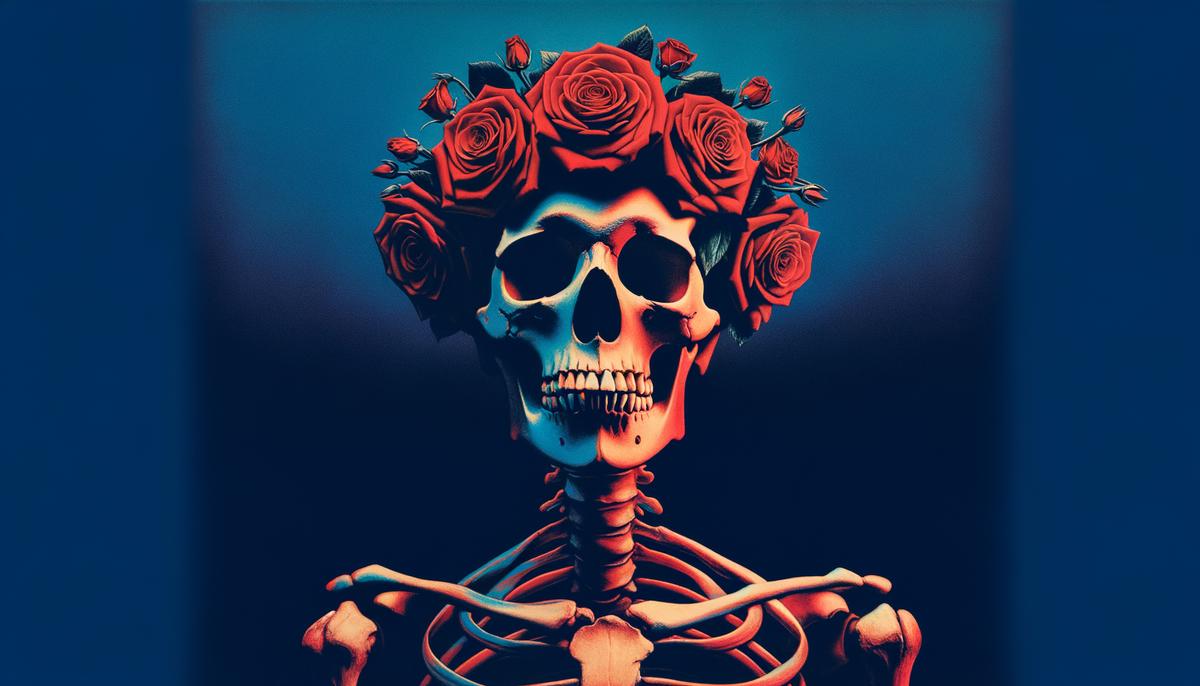
In collaboration with Alton Kelley, Mouse created unforgettable imagery like the Grateful Dead "Skeleton and Roses" poster. These weren't merely promotional materials; they were vibrant proclamations of fearless exploration. Mouse's fusion of surrealism and humor was a testament to the rebellious nature of the era, proving that art could be as daring and unconventional as the music it represented.
5. Wes Wilson
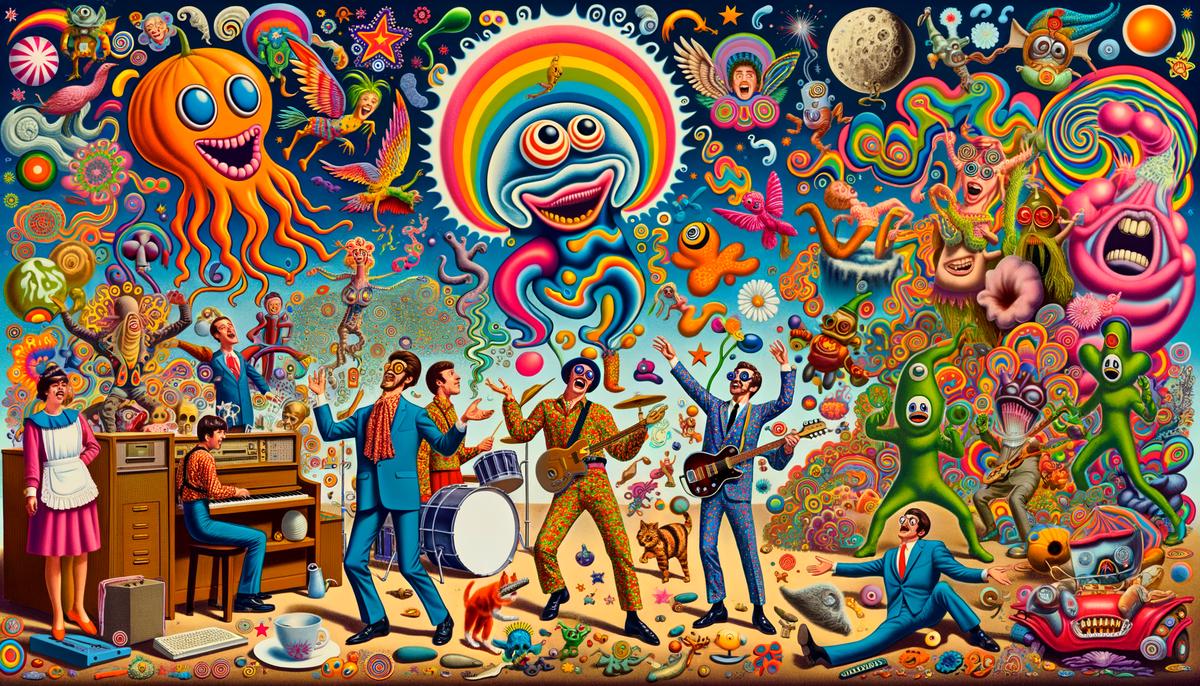
Wes Wilson was a maestro of mind-bending typography and a pioneer of the psychedelic poster movement. His vibrant, undulating lettering style became a signature of the era. Wilson's talent for manipulating font sizes and shapes allowed him to weave lettering into swirling, vibrant designs that characterized the 1960s rock scene.
Drawing inspiration from everyday objects, Wilson's creativity came to life in bold posters for legendary venues like San Francisco's Fillmore Auditorium. By embracing clashing colors and mind-boggling patterns, his posters transcended the ordinary, stretching the boundaries of graphic design. Wilson's creations transport us back to a moment when art and music were vehicles for change, harmonizing a love for freedom and experimentation with every brushstroke.
6. Bonnie MacLean
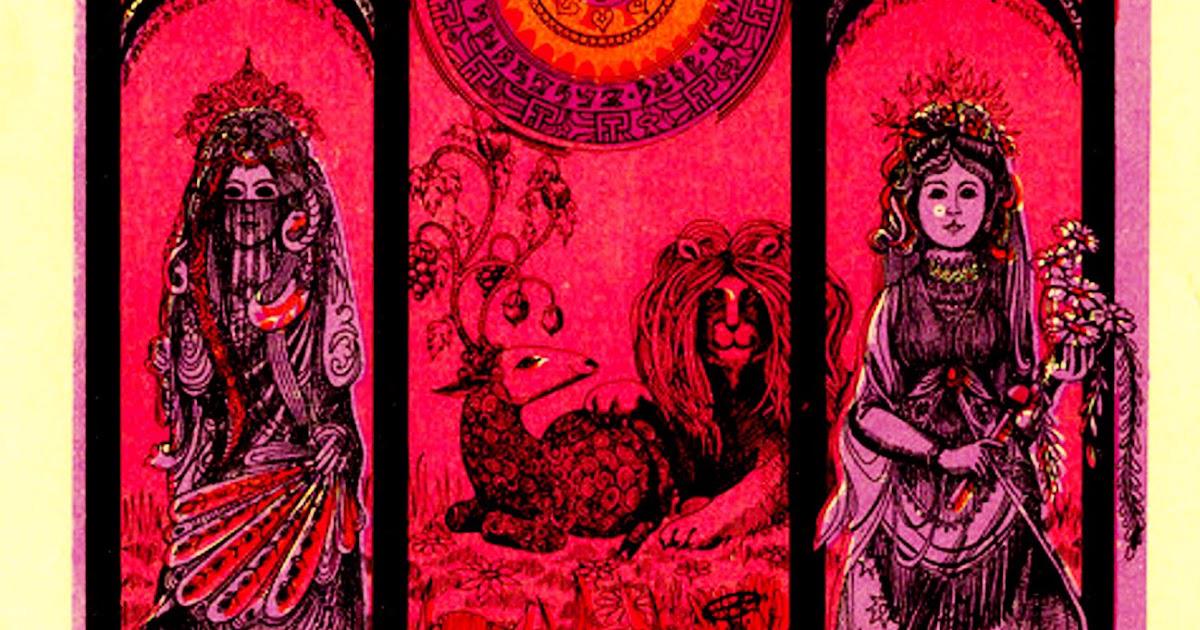
Bonnie MacLean infused her creations with emotion and color, leaving an indelible mark on the psychedelic art scene. Her work was an intricate dance of fine lines and vibrant palettes, each piece an invitation to journey into the emotional landscape of the 1960s. MacLean brought a distinct touch of elegance to a world booming with bold designs.
Through detailed imagery and harmonious color schemes, Bonnie encapsulated the emotional depth of unforgettable concerts. Her posters for venues hosting legends like The Doors and Jefferson Airplane enhanced the experience, beckoning concertgoers to not only hear the music but feel it. MacLean's art was a celebration of the human spirit's capacity to dream, feel, and change, creating timeless masterpieces that continue to echo the hopeful idealism of the 1960s.
7. Bob 'Raphael' Schnepf
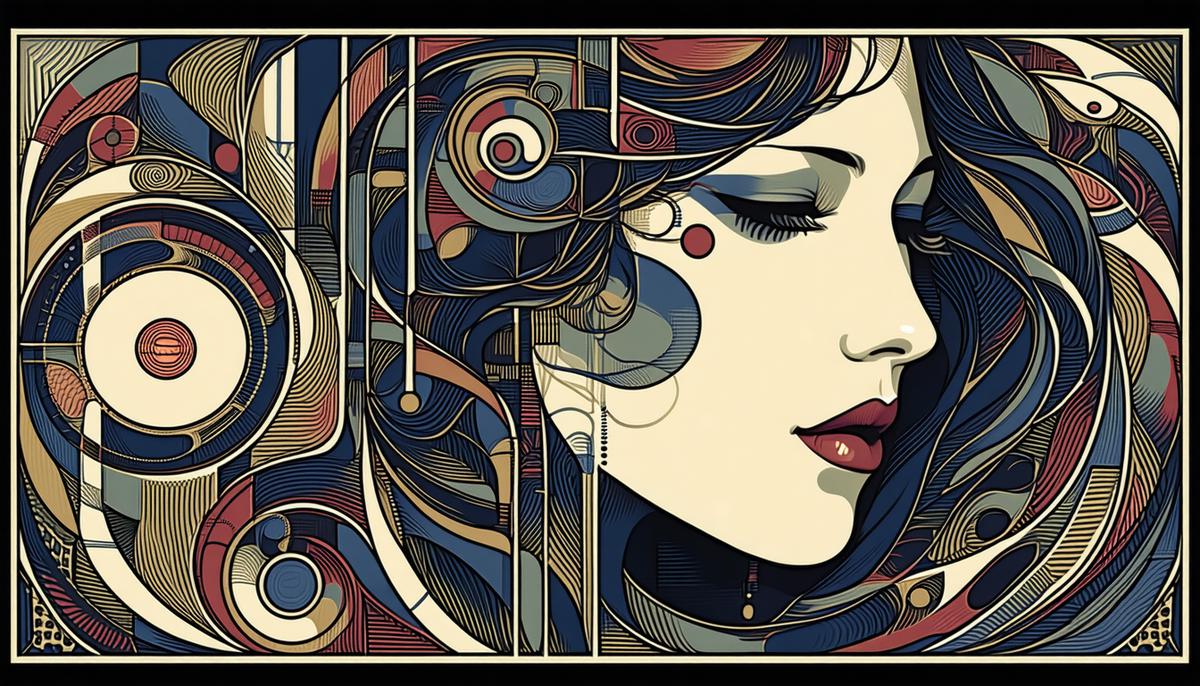
Bob 'Raphael' Schnepf's art reverberated with the pulsating energy of the 1960s. His fearless style captured the adventurous spirit of an era bursting with revolution and discovery. Schnepf's work was a colorful odyssey through the psychedelic journey of self-exploration and cultural upheaval.
His creations provided a window into a world where art and music intermingled in an enticing dance of expression. Each piece celebrated the radical and new, offering visual stories that propelled the audience into the kaleidoscopic heart of 60s culture. Through Schnepf's eyes, the 60s were lived in vivid technicolor, his visual symphonies continuing to sing the electric anthems of freedom, wonder, and boundless creativity.

The legacy these artists left behind is more than just visual brilliance; it's a testament to a time when imagination soared unrestrained. Their creations continue to inspire us to embrace creativity and dream beyond limits.
- Chapin MW. Psychedelic Rock Posters and Fashion of the 1960s. Portland Art Museum. 2019.